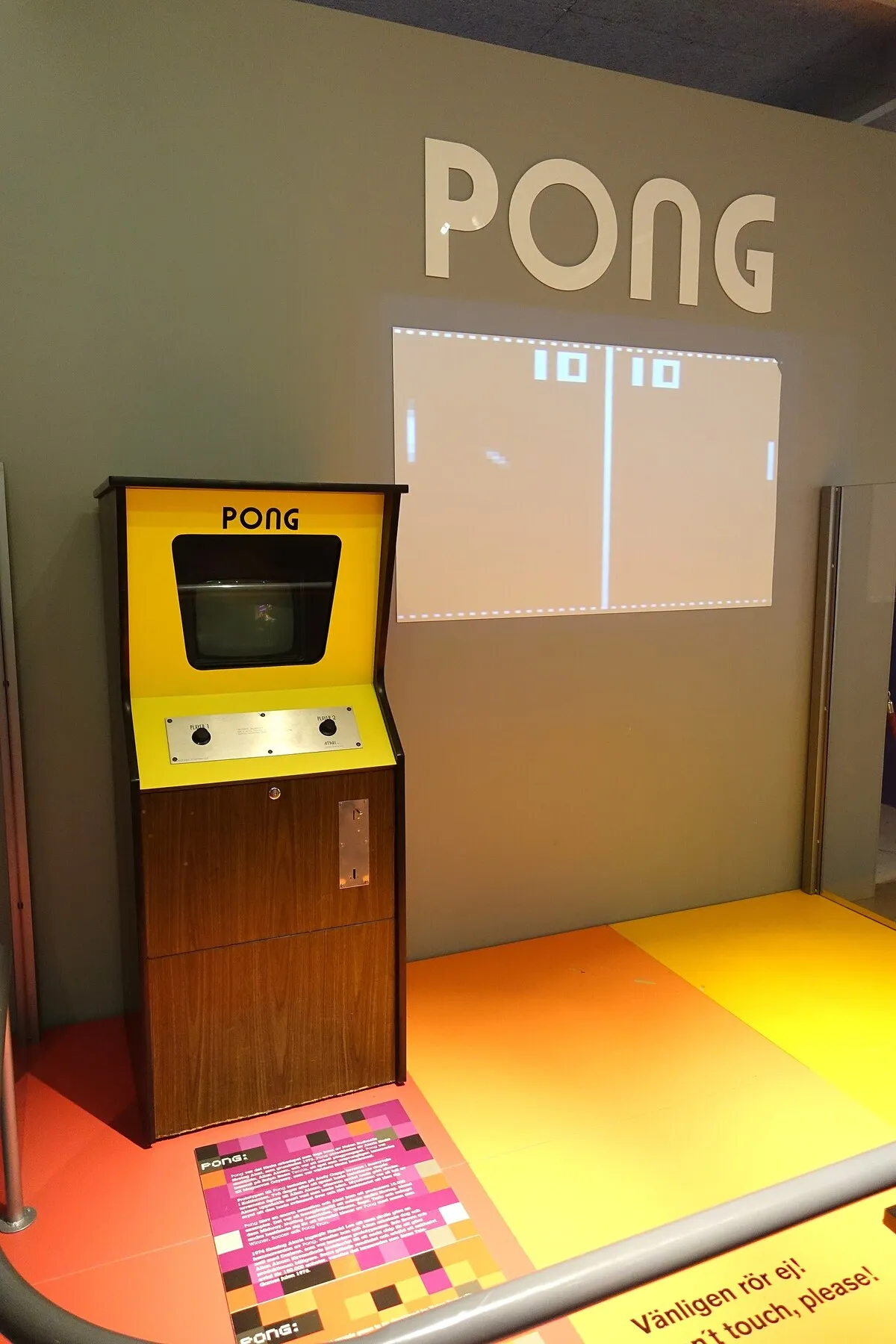
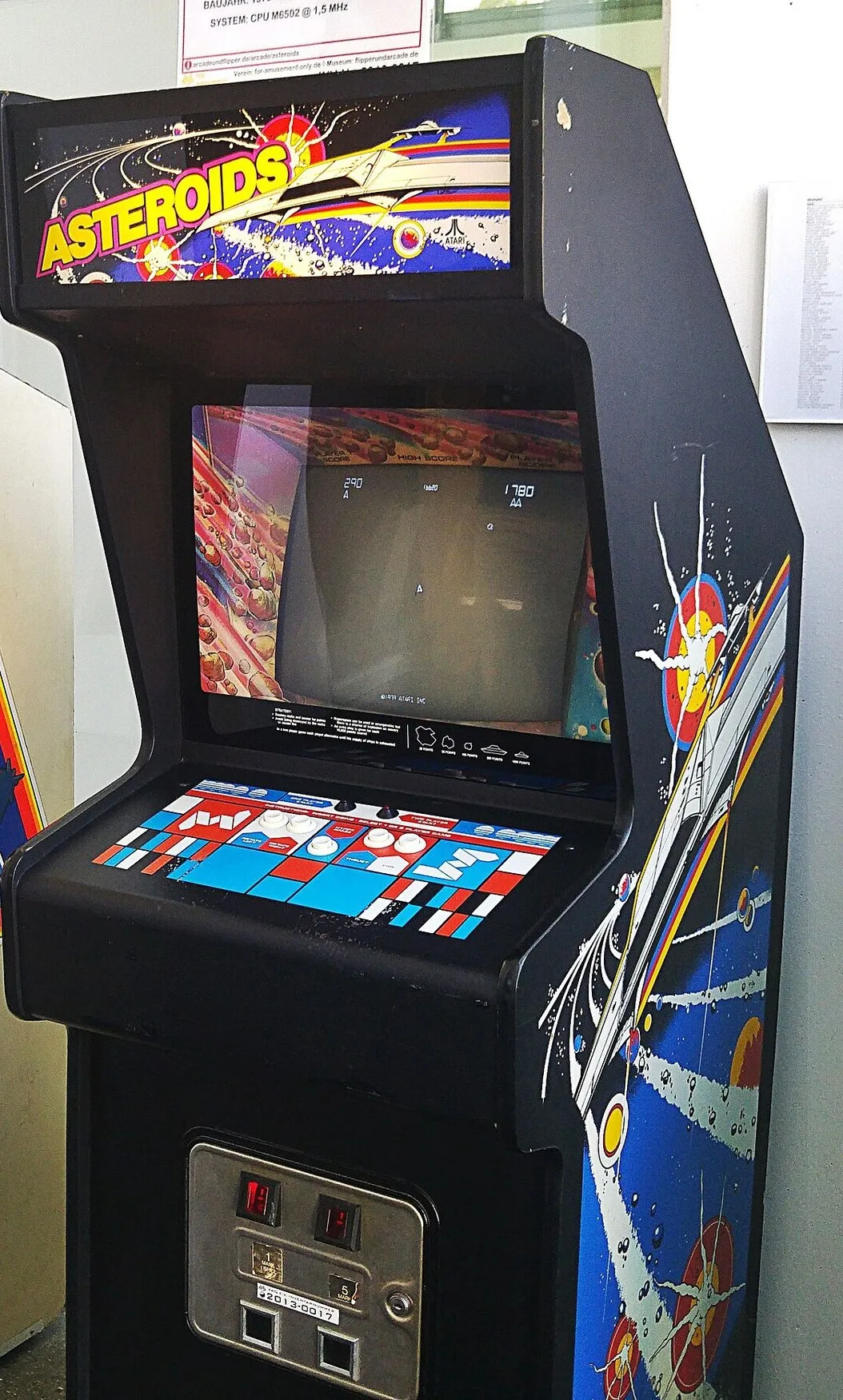
Atari History
Exploring the history of Atari, from Pong in 1972 to the Jaguar: the computers and consoles, the arcade games, and the companies that carried the name.
About this site
Atari History is an independent reference on the machines, games and companies that used the Atari name. Each page gives dates, launch prices and specifications, and lists the period documents, press articles and interviews it relies on, so every figure can be checked.
This domain once hosted the website of the Atari Historical Society. The current site is a new project, not affiliated with the society or with Atari. Old addresses from the earlier site lead to the page that now covers the same subject. How this site is written.
Timeline
- 1972Articles of incorporation for Atari, Inc., successor to the Syzygy Company of Nolan Bushnell and Ted Dabney, were filed in California on June 27. (June 1972)
- 1972Atari, Inc. put a Pong prototype in a table-top cabinet and placed it on test at Andy Capp's Tavern in Sunnyvale, California. (September 1972)
- 1976Warner Communications acquired all the stock of Atari, Inc. for about US$12 million in cash and US$16 million in debentures. (October 1976)
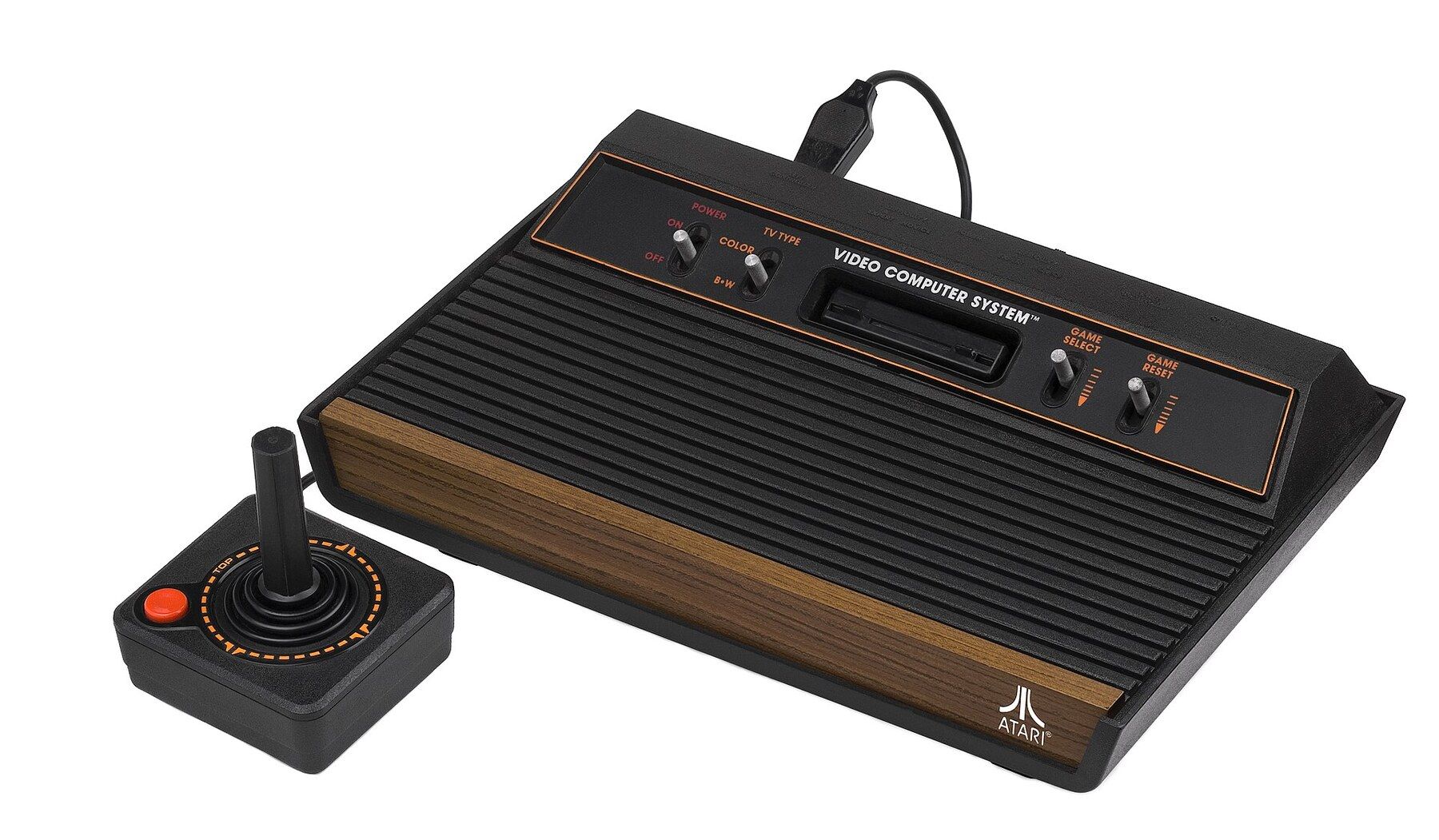
- 1977Atari, Inc. launched the Video Computer System, later called the 2600, with Combat as its pack-in cartridge.
- 1979Atari, Inc. shipped its first home computers, the 400 and the 800. (October 1979)
- 1982On December 8 Warner announced that quarterly earnings would fall far below Wall Street's expectations, citing a sudden slump in sales at Atari, Inc. (December 1982)
- 1984Warner sold the home video game and computer businesses of Atari, Inc. to Jack Tramiel's Tramel Technology, Ltd. on July 2. (July 1984)
- 1985Atari Corporation shipped the 520ST in the United States with a mouse, a disk drive and the SM124 monochrome monitor. (July 1985)
- 1993Atari Corporation announced on November 23 that the Jaguar was shipping to stores in the New York and San Francisco areas. (November 1993)
- 1996JTS Corporation completed its acquisition of Atari Corporation on July 30. (July 1996)
Atari computers
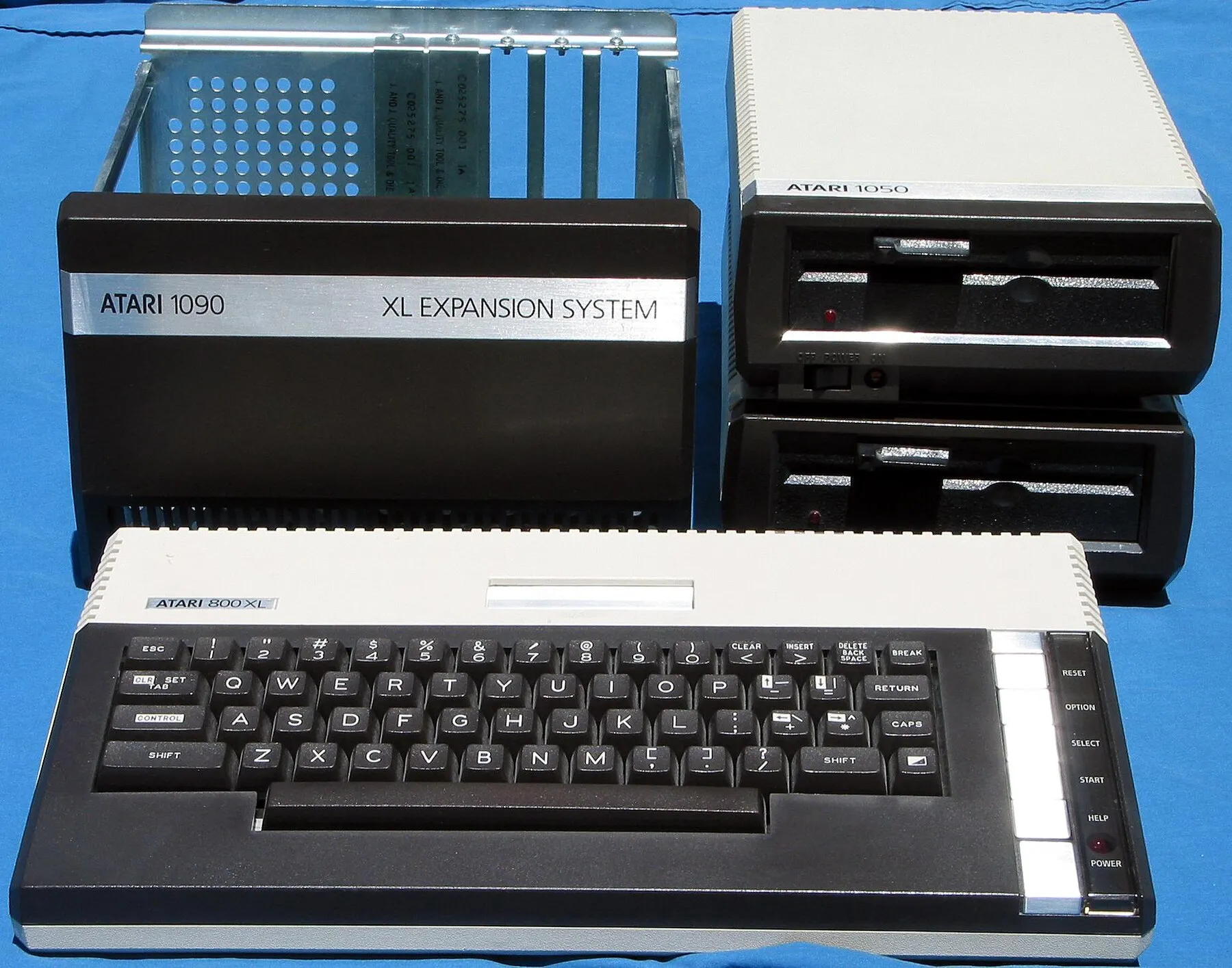
Atari 8-bit computer family
1979–1992Atari's 6502 home computers, from the 400 and 800 of 1979 to the XE Game System of 1987, all built on ANTIC, CTIA or GTIA, and POKEY
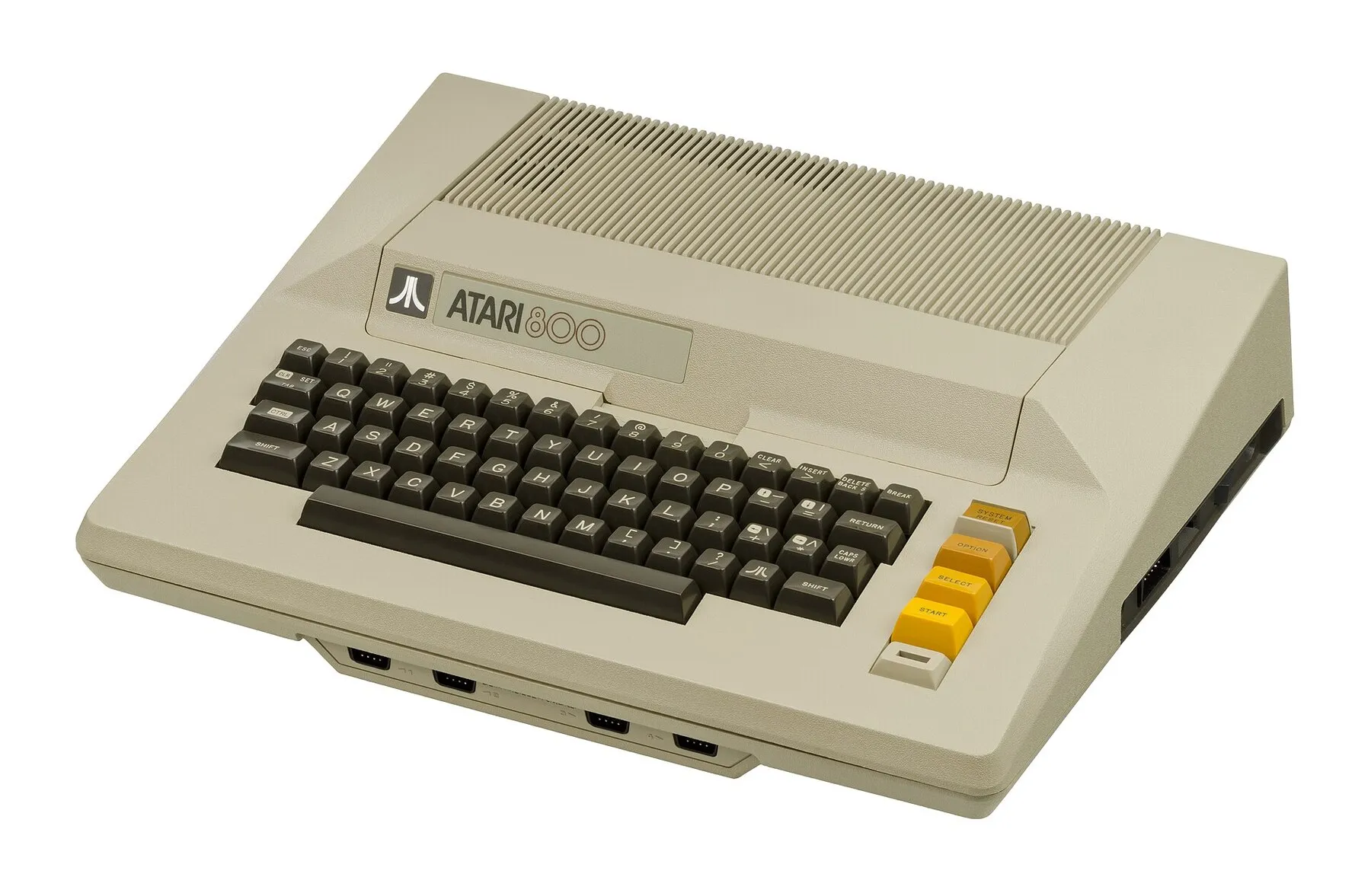
Atari 400 and 800
1979–1983Atari's first home computers, announced late in 1978 and shipped from October 1979: a sealed, low-cost 400 and an expandable 800 on the same chips
Atari 1200XL
1983The 64 KB successor to the Atari 800, announced in December 1982, shipped in March 1983 at US$899 and out of production by July
The Atari Sweet 16 project
1982The 1982 Atari, Inc. plan for a smaller, cheaper successor to the 800, which reached stores in reduced form as the 1200XL
Atari ST family
1985–1993Atari Corporation's 68000 and 68030 computers, from the 520ST of 1985 through the Mega ST, STE and TT030 to the Falcon030 of 1992
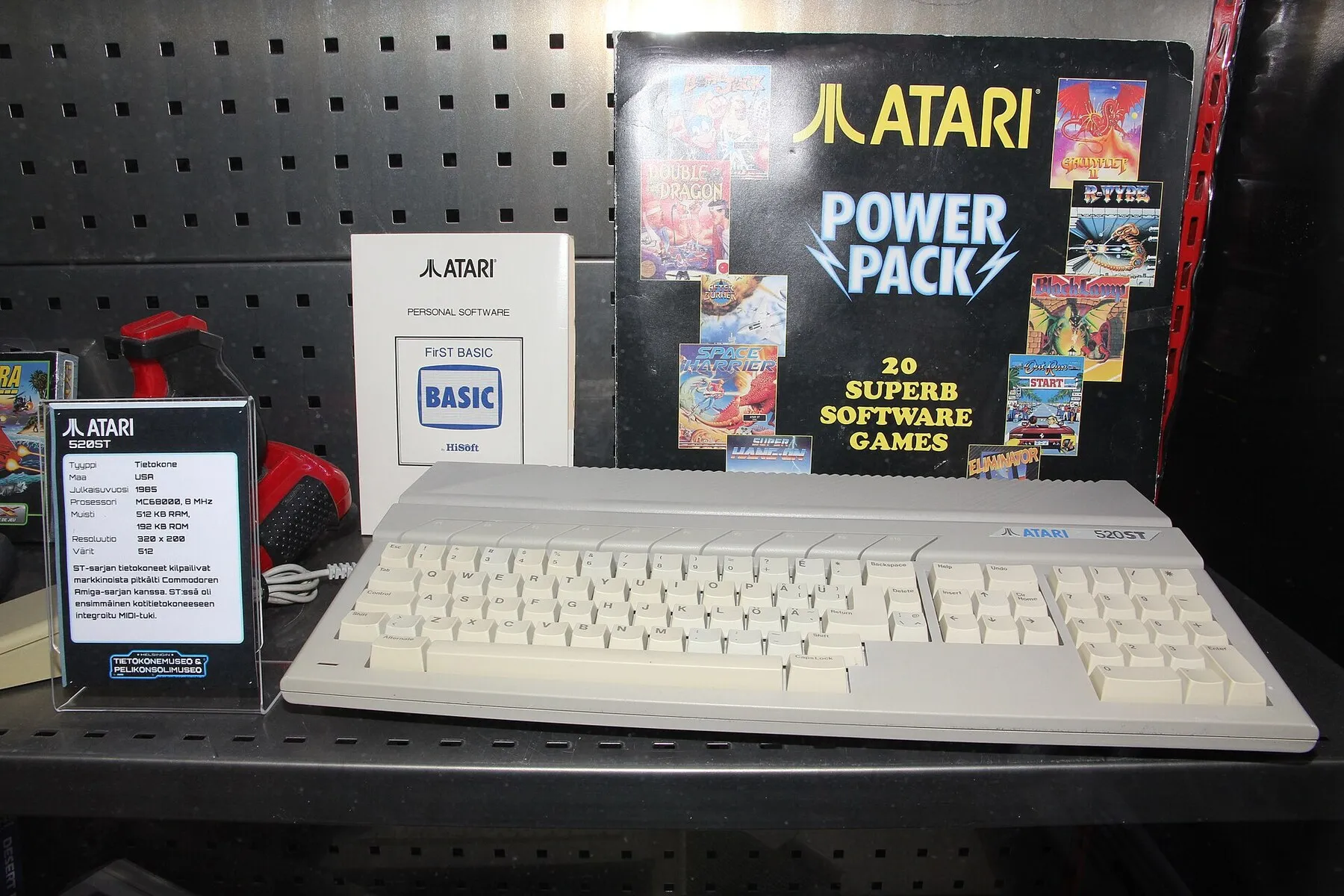
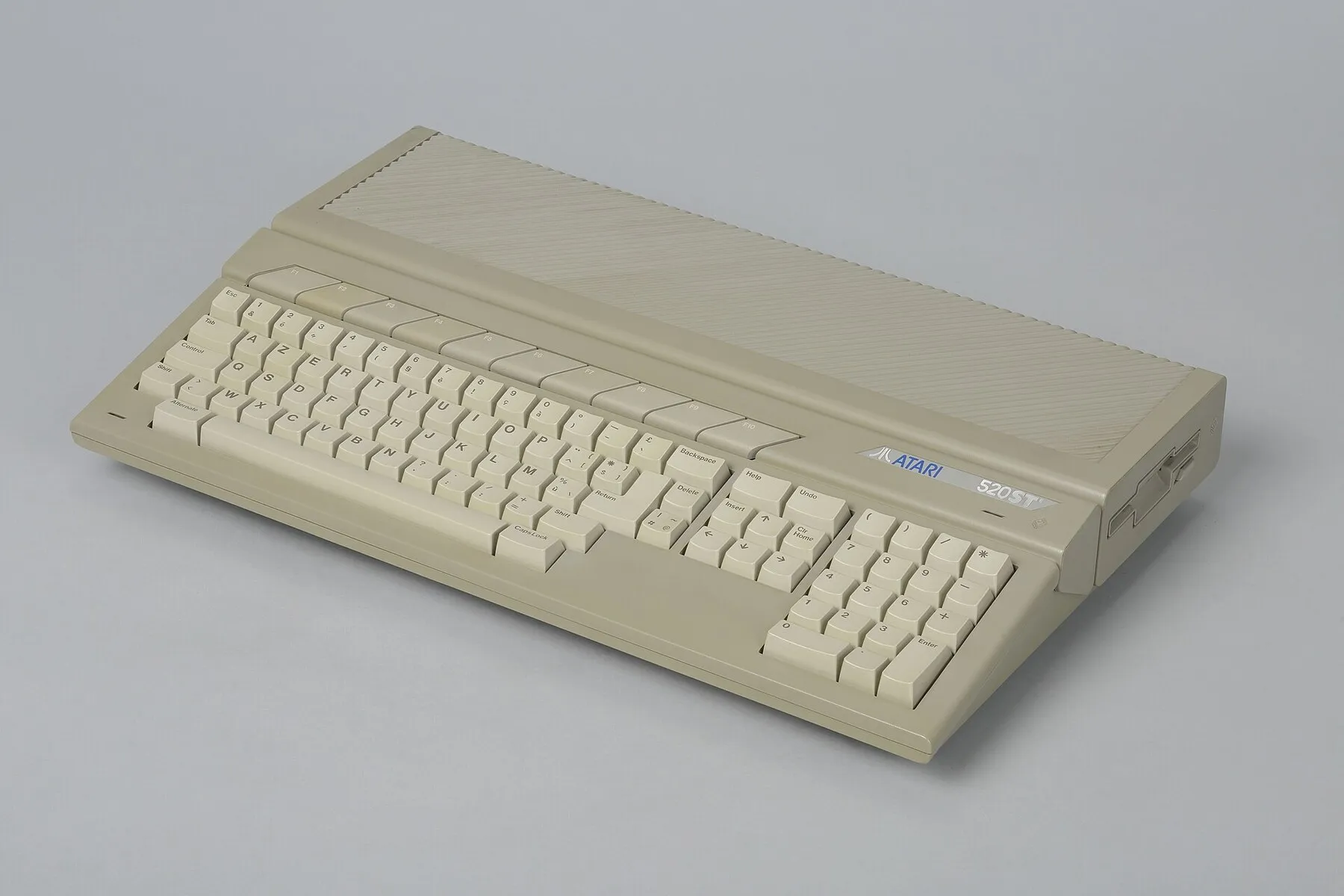
Atari 520ST
1985The first ST: a 68000 machine with 512 KB, a GEM desktop and MIDI ports, shipped by Atari Corporation in July 1985
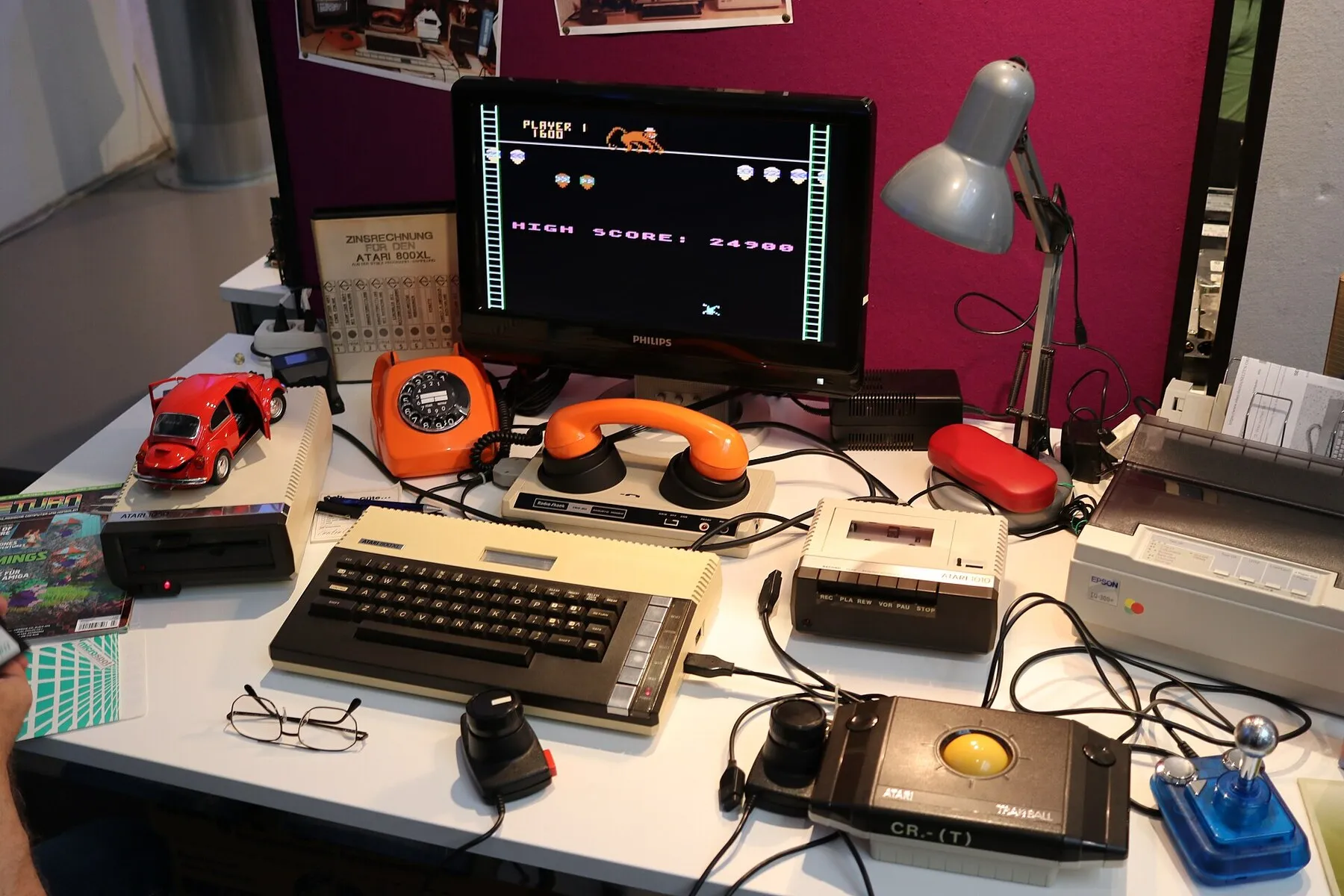
All Atari computers, including PC compatibles and the Portfolio
Atari consoles
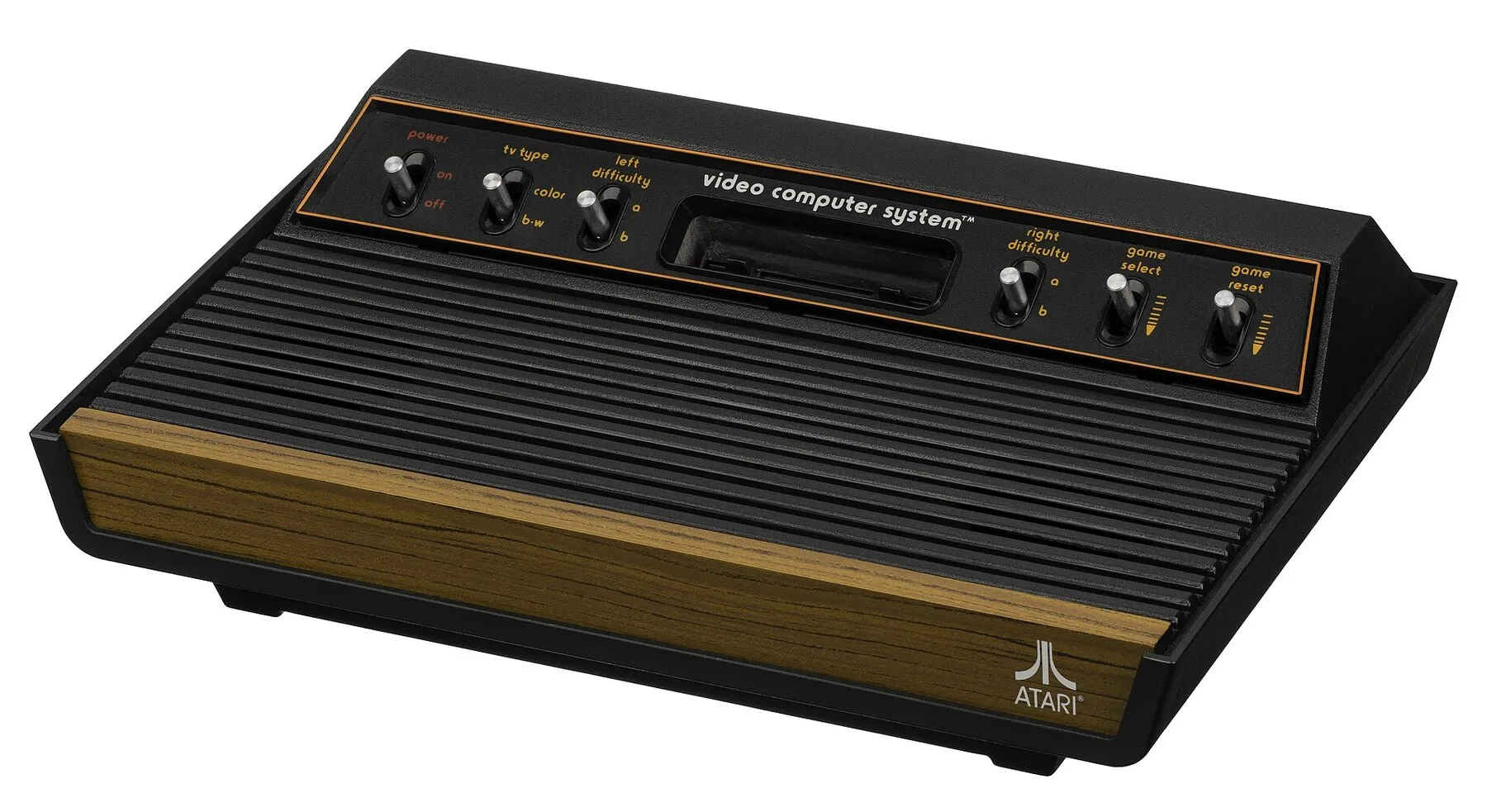
Atari 2600 (Video Computer System)
1977–1991Atari, Inc.'s cartridge console of 1977: a 6507 processor, 128 bytes of RAM and the TIA video chip, dropped in the United States at the end of 1991
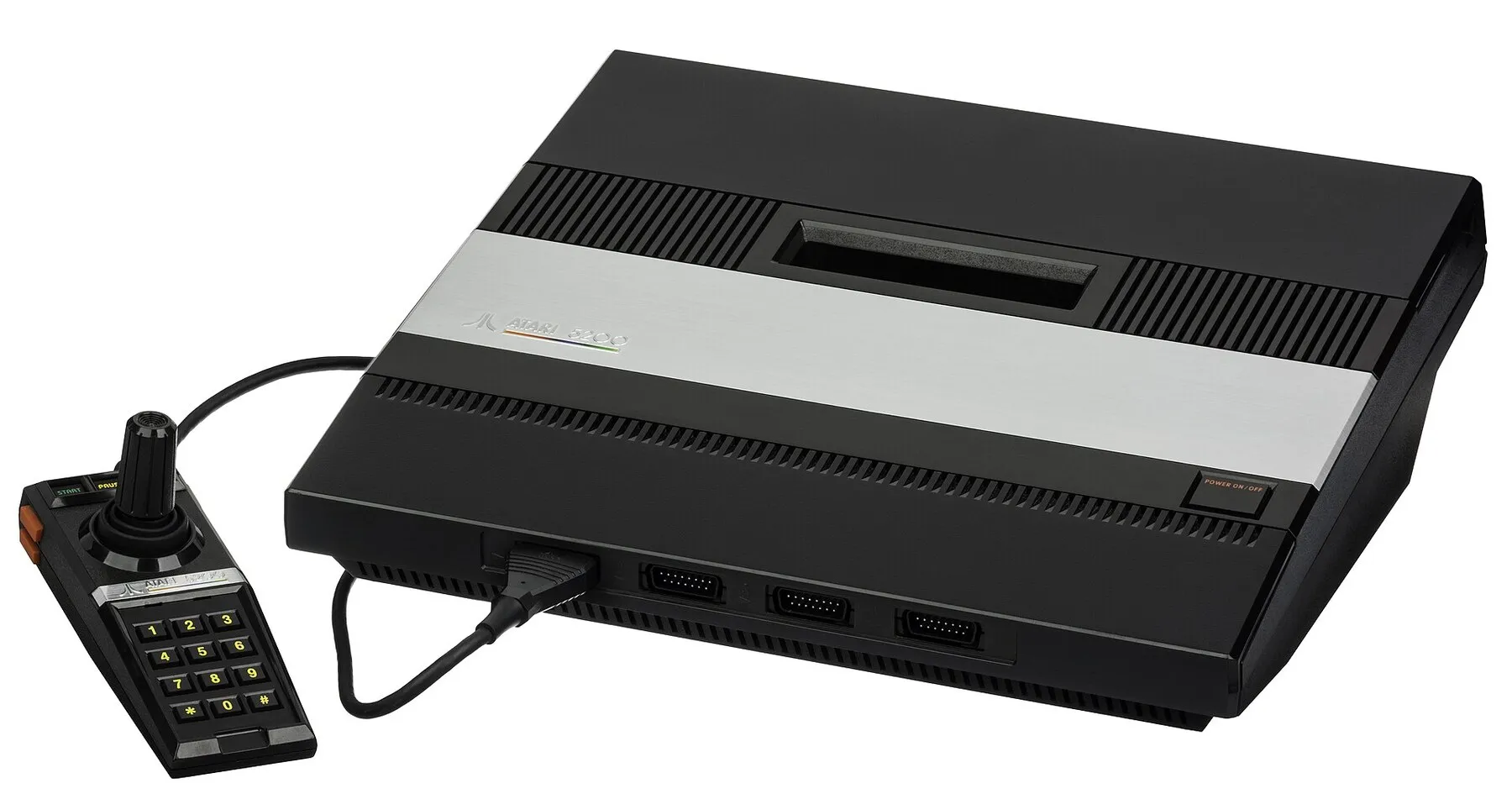
Atari 5200 SuperSystem
1982–1984Atari, Inc.'s 1982 console built on the 400/800 chipset, with analog keypad controllers and 69 games, out of production by early 1984
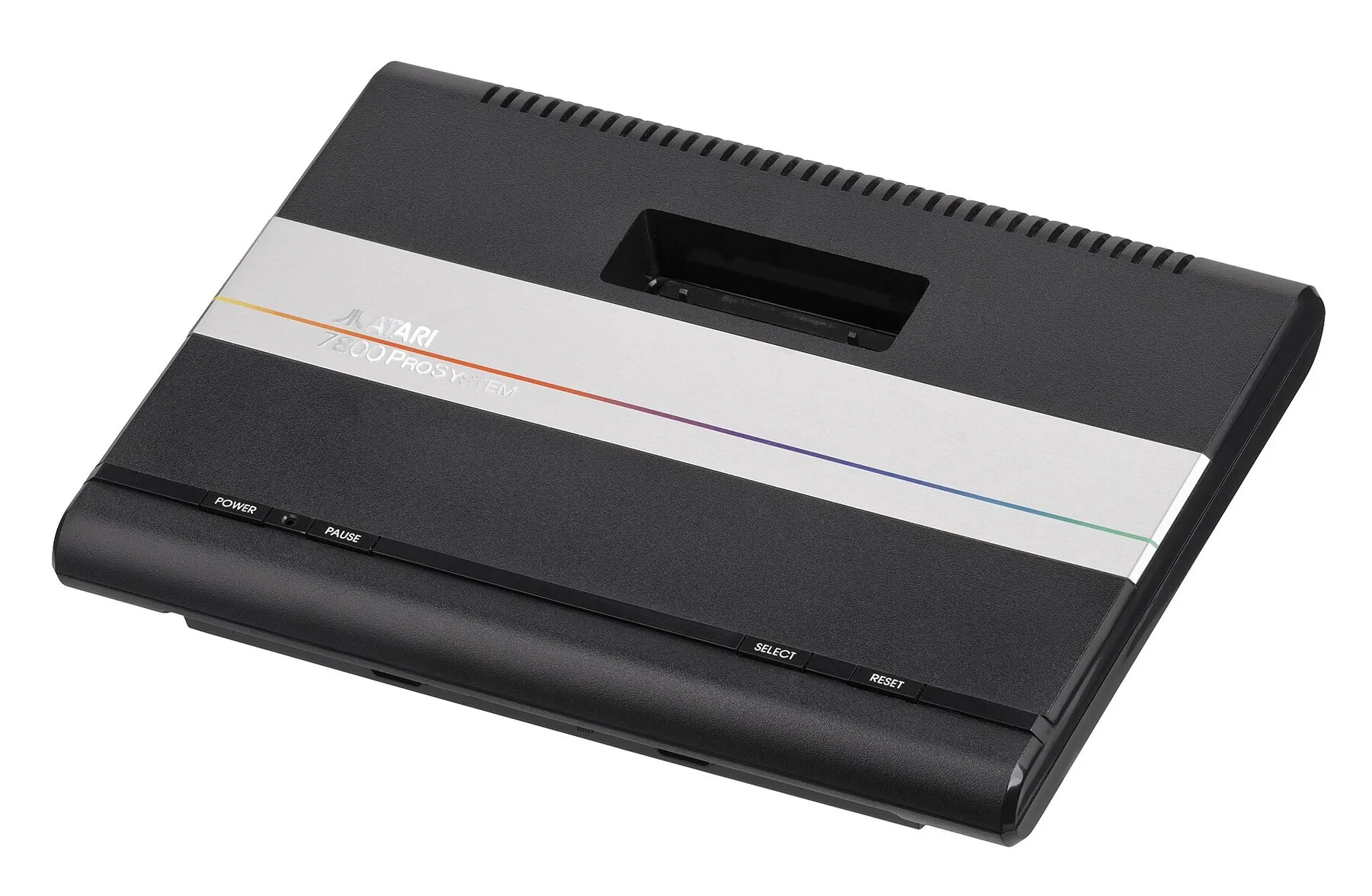
Atari 7800 ProSystem
1986–1991Designed by General Computer Corporation, announced by Atari, Inc. in May 1984 and sold by Atari Corporation from 1986, with 2600 compatibility built in
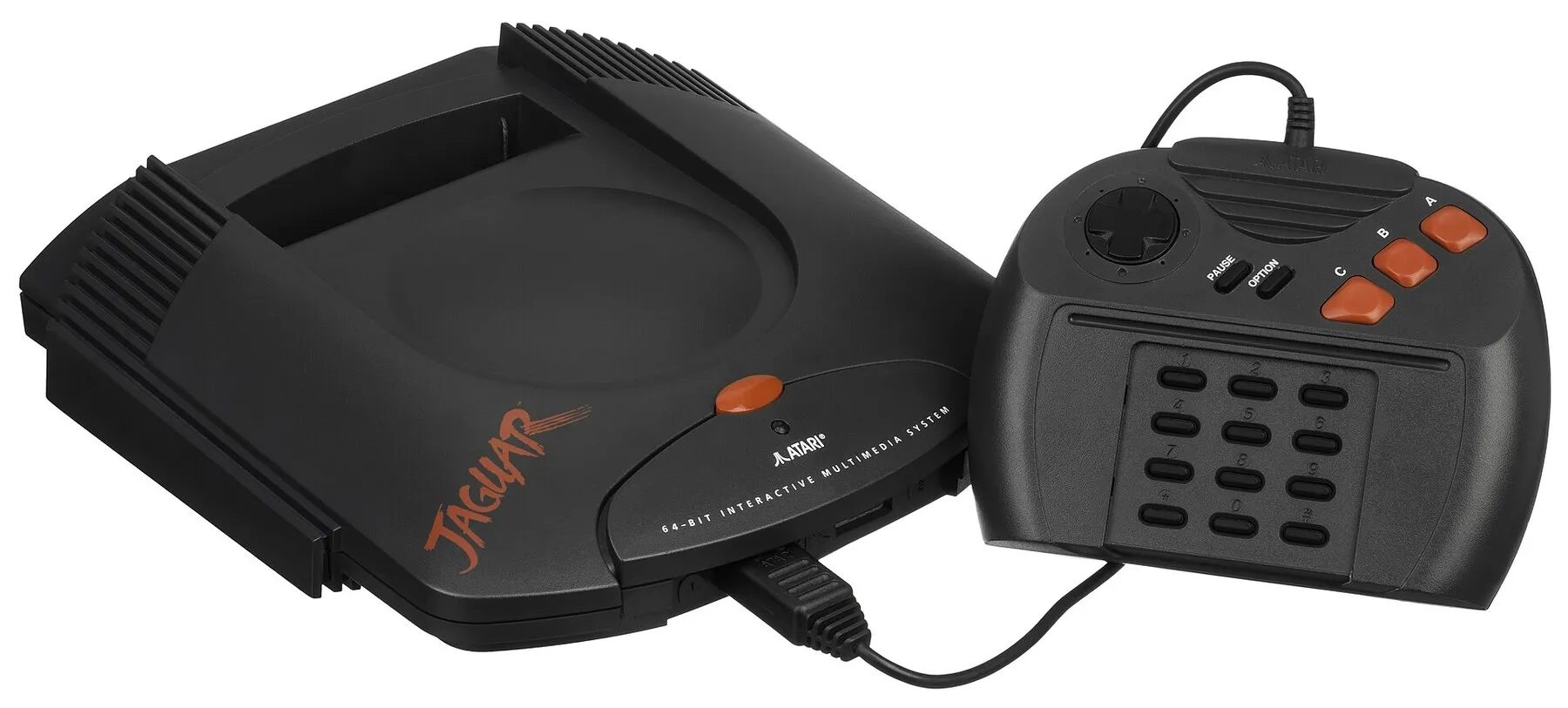
Atari Jaguar
1993–1995Atari Corporation's cartridge console with Tom and Jerry chips by Flare II, sold as 64-bit from November 1993, with production orders stopped in mid-1995
Classic Atari games
From Combat in 1977 to Alien vs. Predator in 1994: the Atari home games that mattered, with dates, programmers and what each one led to
- VCS games, 1977 to 1983
- Adventure and Warren Robinett’s signature
- Pac-Man, E.T. and the overproduction of 1982
- Swordquest and the contest Atari never finished
- Activision and the first third-party cartridges
- Atari 8-bit computer games
- Games for the 5200 and 7800
- Atari ST games
- Lynx and Jaguar games
- Box art and the Art of Atari
- Telling 2600 cartridge label variations apart
Atari arcade games
The main Atari coin-op cabinets from Pong in 1972 to Hard Drivin' in 1989, with their display technology and what each one introduced
Technical documentation
Chip by chip and manual by manual, the documents that explain how Atari machines work, from the 1979 Stella guide to the Jaguar reference
Latest articles
How Atari was founded (1971–1973)
1971–1974From the Syzygy partnership and Computer Space to the June 1972 incorporation, Pong at Andy Capp's Tavern, Dabney's buyout and Kee Games
Atari corporate history: from Atari, Inc. to Atari SA
1972–2026Atari, Inc., Warner, the 1984 split, Atari Corporation, Atari Games, JTS, Hasbro Interactive, Infogrames and Atari SA, with dates and prices
Atari and the video game crash of 1983
1982–1985Warner's December 1982 warning, the cartridge glut, the Alamogordo burial and the July 1984 sale, with the documented figures kept apart from the legends
A history of Atari's arcade division
1972–2003The coin-op business from Pong in 1972 to Atari Games under Namco, Time Warner and Midway, until the Milpitas studio was wound down in 2003